

Description
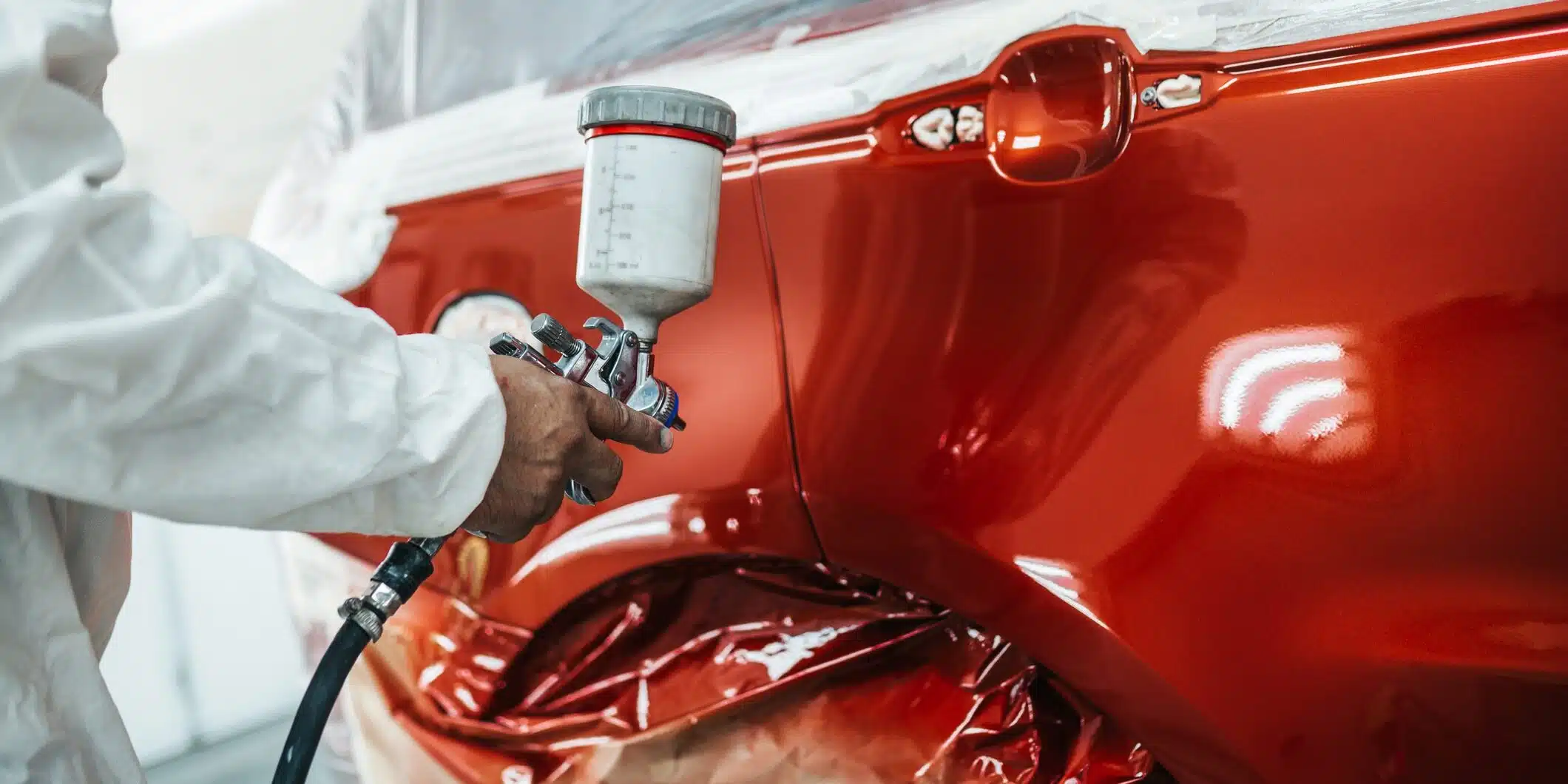
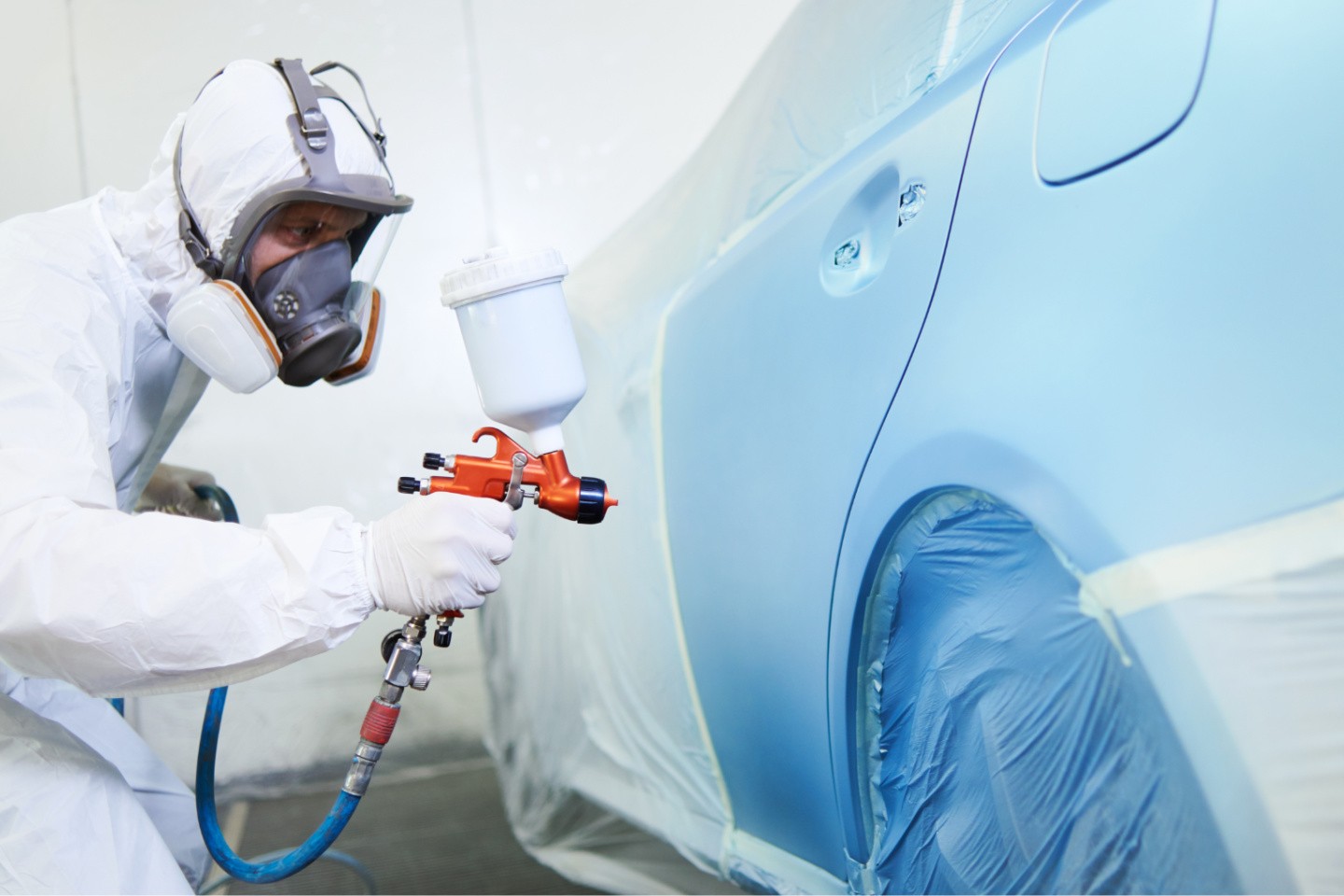
Automotive Refinish
Chloride process:
- Raw materials: Uses high-grade ores like natural or synthetic rutile.
- Process: Reacts the ore with chlorine gas and petroleum coke at high temperatures to form titanium tetrachloride (𝑇𝑖𝐶𝑙4) gas, which is then purified and oxidized to produce pure TiO2.
- Product: Produces a higher-purity rutile pigment with superior whiteness and opacity.
- Process type: A newer, continuous process.
- Environmental impact: Generates hazardous waste (𝑇𝑖𝐶𝑙4 and 𝐶𝑙2) but includes options for chlorine recovery and recycling, making it a more efficient and potentially more environmentally friendly option.
Key differences at a glance
| Feature | Sulfate Process | Chloride Process |
|---|---|---|
| Purity | Lower | Higher |
| Product | Anatase and Rutile | Rutile only |
| Raw Material | Lower-grade ores | High-grade ores |
| Process Type | Batch | Continuous |
| Energy | Higher energy consumption | Lower energy consumption |
| Initial Cost | Lower | Higher |
| Waste | Higher waste generation | Lower waste, but requires chlorine recovery |